
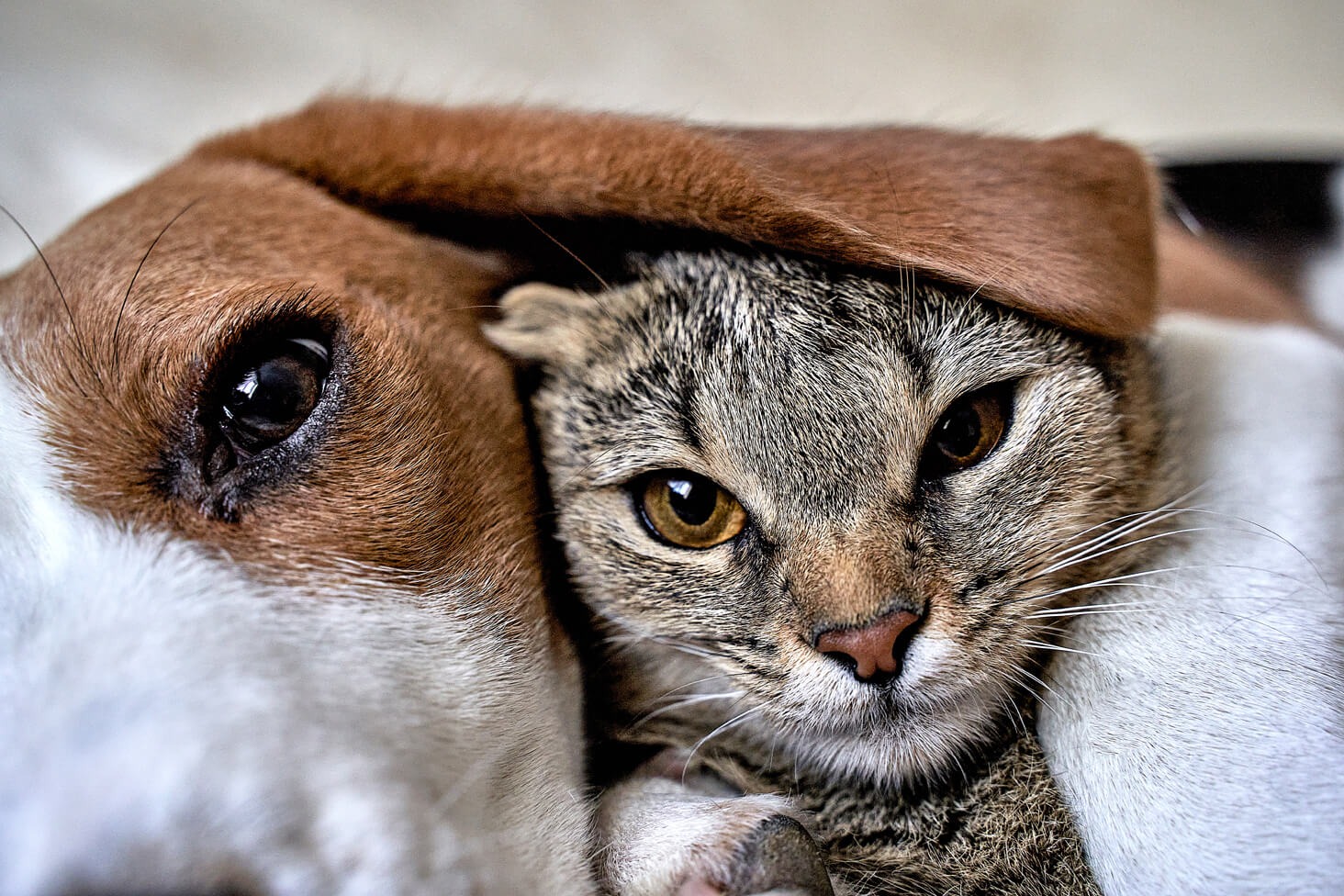
Regular grooming is essential for maintaining your pet’s health, comfort, and appearance. A consistent grooming routine helps prevent skin issues, reduces shedding, prevents painful matting, and allows you to spot potential health problems early. Whether you have a short-haired dog or a long-haired cat, creating a structured grooming schedule will make the process easier for both you and your pet.
The frequency and type of grooming your pet needs depends primarily on their coat type. Short-haired dogs typically require professional grooming every 6-8 weeks with weekly brushing at home, while long-haired breeds need more frequent attention—usually every 3-4 weeks with daily brushing. For cats, short-haired breeds need brushing 1-2 times per week, while long-haired cats such as Persians and Maine Coons require daily brushing to prevent painful mats.
Brushing removes dirt, dead hair, and skin flakes while distributing natural oils throughout the coat and stimulating blood circulation. Dogs should be brushed daily or several times each week, while cats need brushing once or twice weekly with a metal comb. Always use appropriate tools for your pet’s coat type and brush before bathing to remove tangles.
Dogs typically need bathing between once a month and once every three months, depending on their activity level. Over-bathing can strip natural oils and irritate skin. Cats are excellent self-groomers and rarely need baths unless they get particularly dirty. Always use pet-safe shampoo and lukewarm water.
Trim dog nails every 3-4 weeks and cat nails every 2-3 weeks. Overgrown nails can cause discomfort, affect your pet’s gait, and lead to injuries. If you hear nails clicking on the floor, it’s time for a trim.
Check ears weekly to prevent wax buildup and infections. Regular teeth brushing or dental wipes help prevent bad breath and gum disease. Clean paw pads and check for cracks or injuries, applying balm if needed.
Investing in quality grooming tools makes the process more efficient and keeps your home clean. The PetTerra Pro Pet Grooming Kit & Vacuum offers an all-in-one solution that combines professional grooming tools with a powerful vacuum system. This innovative kit includes five essential tools: a grooming brush and de-shedding brush for maintaining a healthy coat, an electric clipper for precise trimming, plus a nozzle head and cleaning brush for collecting pet hair from furniture and floors.
The vacuum function collects 99% of pet hair directly into the container while you groom, eliminating the mess that traditional grooming creates and keeping scattered fur from spreading throughout your home. With five adjustable clipping combs ranging from 3mm to 24mm, you can easily style your pet’s hair to different lengths at home. The low-noise design with three adjustable suction levels helps anxious pets feel more comfortable during grooming sessions. The removable, washable dust cup features an easy-empty lid for quick cleanup with no extra maintenance costs.
Weekly Tasks:
Brush short-haired pets 1-2 times; long-haired pets daily
Check ears, eyes, teeth, and nails
Inspect skin for irritation or parasites
Monthly Tasks:
Trim nails every 3-4 weeks
Bathe as needed based on coat type
Professional grooming appointments based on breed needs
Start grooming your pet when they’re young so they become accustomed to the process. Make grooming positive by using treats and praise to reduce anxiety and build trust. Choose a calm time for grooming sessions, such as before bedtime. Increase brushing frequency during spring and fall when shedding intensifies. If any areas seem sore, stop immediately and consult your veterinarian.
Establishing a regular grooming routine is one of the most important responsibilities of pet ownership. By following a consistent schedule tailored to your pet’s specific coat type and needs, you’ll keep them healthy, comfortable, and looking their best year-round. Regular grooming sessions not only improve your pet’s appearance but also provide valuable opportunities to check for health issues like fleas, ticks, skin conditions, and other problems before they become serious. With patience, the right tools, and positive reinforcement, grooming can become an enjoyable bonding experience that strengthens the relationship between you and your furry companion. Remember, when in doubt, professional groomers are always available to help with more complex grooming needs and can provide guidance for your at-home routine.

All prices are including shipping fee.

Please contact us if you have any
questions.

30 Days Money-Back.

30 Days free return and 1-year-warranty